
• Several straight monthly gains: is Canada’s market turning?

    Several straight monthly gains: is Canada’s market turning?

    It’s been another month of steady momentum for the Canadian housing market. July marks the fourth consecutive month of increased home sales across the country, with the average sale price edging up by 0.2% to $674,819. At the same time, new listings dropped by 1.6%, and inventory currently sits at 4.7 months—signs that things are balancing out. As someone who has lived and worked in almost every corner of the Cowichan Valley, I keep a close eye on national trends and how they might ripple into our local communities. My years in customer service and hands-on renovation experience have taught me to read these shifts beyond just the numbers, looking at what they might mean for families and homeowners here. Whether you’re new to the Valley or a lifelong Islander, I’m always here to help you navigate what these market changes mean for your next move.

    Continue to full article

  • Rate cuts boost housing demand faster than supply, BoC research finds

    Rate cuts boost housing demand faster than supply, BoC research finds

    Rate cuts boost home sales quickly, while new construction rises with a delay, leading to persistent home price increases. Demand outpaces supply, worsening affordability, especially when unemployment is low. Lower rates have limited impact on housing demand and prices during high unemployment due to buyer caution and tighter credit. Policies directly increasing supply may better address housing imbalances than monetary policy.

    Continue to full article

  • Canada Housing Needs Better Payment Planning

    Canada’s market looks calmer, with steady policy rates and easing inflation pressures, but affordability still hinges on household budget room, not rate forecasts.
    Many renewers need early planning: household resilience depends on payment headroom, and comparing offers matters because a first renewal quote is rarely the sharpest.
    More households relied on rental income or family support to make ownership work, so buyers should confirm exactly how lenders count suite income.
    Canada’s supply picture is mixed: federal projects are moving toward summer and fall groundbreaking, while the national housing agency expects overall 2026 starts below 2025.
    For buyers, renewers, and refinancers, the best next step is practical modeling: test sustainable payments, shop renewal terms, and price refinancing against penalties.

  • Canada Data Week Sharpens Housing Outlook

    This current week featured Canada inflation, housing, and trade catalysts, with a tariff deadline looming alongside fresh readings on starts, retail sales, and lending.
    Early-Q3 inflation and home sales readings may guide debate over whether the central bank eventually hikes again or keeps its policy rate steady through 2027.
    A Real Estate group recently revised its 2026 outlook, now expecting national sales to edge lower this year instead of posting modest growth.
    A Mid-Q3 deadline could place nearly US$20B of Canadian exports under ~50% US tariffs, with negotiations continuing but significant issues still unresolved.
    Housing starts, retail sales, a loan officer survey, and preliminary business-activity indexes were also due, offering fresh signals on construction, spending, credit, and momentum.

  • Canada Renovations That Best Support Resale

    Not every renovation lifted resale in Canada; some projects recouped little, and certain upgrades could even work against a home's market value.
    In Canada, cosmetic kitchen and bathroom refreshes tended to attract buyers most, while full gut renovations often required heavy spending without full financial recovery.
    Higher-impact kitchen updates included cabinet fronts, quartz or granite counters, plus modern fixtures and lighting; bathrooms benefited from new vanities, fresh tile, and walk-in showers.
    Low-cost exterior work also supported resale, especially professional painting and steel front doors, which the guidance described as especially cost-effective for first impressions.
    Energy-efficiency upgrades became a faster-growing value driver, and checking current federal and provincial incentives before budgeting could improve ROI on qualifying projects.
    Returns were weaker for basements, decks, and landscaping; basement work paid better when it fixed moisture risks or created l

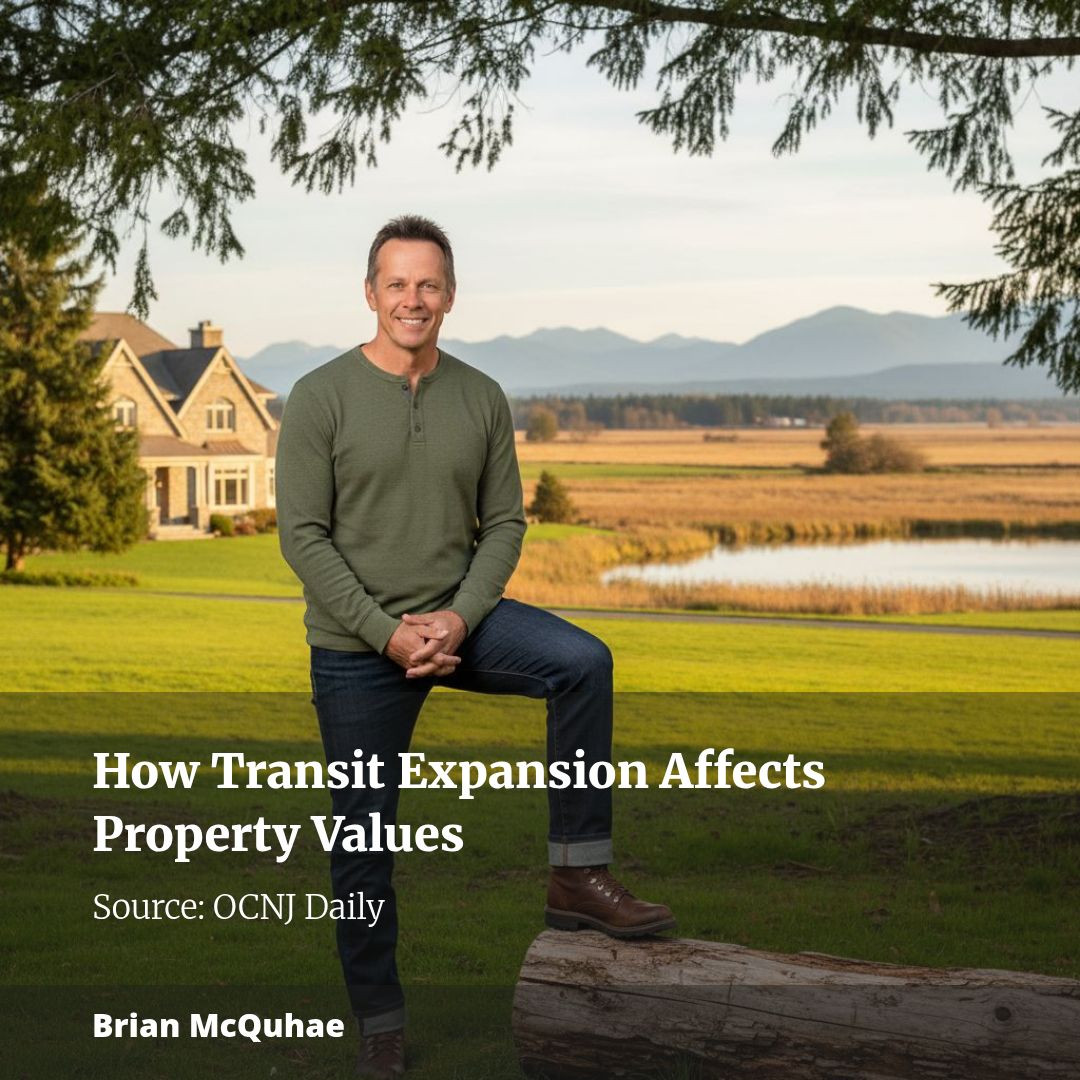
  • How Transit Expansion Affects Property Values

    How Transit Expansion Affects Property Values

    Having grown up and lived throughout the Cowichan Valley, I’ve seen firsthand how new transportation routes can shape our communities and affect local property values. When transit expands, it’s not just about getting from point A to B more easily—improved access often raises demand for nearby real estate and encourages vibrant, mixed-use developments. This can mean new opportunities for homeowners and investors alike. Of course, it’s important to recognize the other side too: construction disruptions, higher housing costs, and the risk of gentrification can be real concerns for residents. I always keep an eye on how these changes ripple through our neighborhoods, drawing on my experience in both real estate and home renovation to help clients navigate what’s best for them in our unique Valley.

    Continue to full article

  • B.C. Home Construction Remains Strong Amid Market Shifts

    B.C. Home Construction Remains Strong Amid Market Shifts

    As someone who’s lived and worked in nearly every corner of the Cowichan Valley, I keep a close eye on trends that shape our communities. This year, B.C. has seen a notable drop in new home construction: single-detached registrations fell to 2,517, well below the five-year average of 4,146. Multi-unit building registrations also dipped, coming in at 19,994 compared to 22,347 on average. Metro Vancouver continues to lead the way in single-detached construction at 36.6%. For those of us who love the unique character of the Valley, these numbers are worth watching. They influence both the pace of new neighbourhoods and the options available to buyers and sellers. With a background in both home renovation and customer service, I understand how important it is to navigate these shifts with a local’s perspective. Making this valley your home is what I do best.

    Continue to full article